In brief:
• Fast water extraction and structural drying within the first 24 to 48 hours significantly reduce the risk of mold growth and material damage.
• Professional cleanup typically includes water removal, moisture mapping, drying equipment setup, and sanitization of affected areas.
• Choosing a local, responsive restoration team matters because response time directly affects how much of a home can be saved.
A burst pipe, overflowing appliance, or storm-driven leak can soak flooring and drywall within minutes, and the response in the first few hours often determines whether a home needs minor repairs or a full renovation. Homeowners searching for help usually want to know how fast a crew can arrive, what the process involves, and how to keep the damage from spreading while they wait.
Acting quickly on Water Damage Cleanup in Downers Grove IL starts with shutting off the water source if possible and avoiding contact with standing water near electrical outlets. Find Parkside Restoration Online to review its water damage restoration services and see what to expect from the process. Before cleanup begins, take photos of the damage as well, since clear documentation can make insurance claims much easier to handle later.
Why Fast Response Matters for Water-Damaged Homes
Water does not stay contained to one spot. It travels through subfloors, wicks up drywall, and settles into insulation where it is hard to see.
According to the Environmental Protection Agency’s guidance on mold and moisture control, mold can begin growing on damp materials within 24 to 48 hours if moisture is not addressed. That timeline is why most restoration professionals treat the first day after a leak or flood as the most critical window for action.
Delays tend to compound costs in a few predictable ways:
• Porous materials like carpet padding and drywall absorb water quickly and often cannot be fully dried once saturation sets in.
• Wood flooring and subflooring can warp or buckle within days of prolonged moisture exposure.
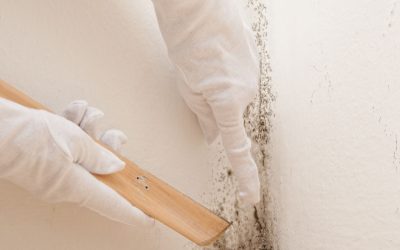
• Hidden moisture behind walls or under cabinetry can lead to mold colonies that are harder and more expensive to remediate than the original water event.
What a Water Damage Cleanup Process Typically Involves
A structured cleanup process generally follows a sequence designed to stop active damage first, then address drying and sanitation.
1. Assessment and water extraction : Technicians identify the water source and category, then remove standing water using pumps and extraction equipment.
2. Moisture mapping : Moisture meters and thermal imaging help locate water that has migrated into walls, subfloors, or ceilings.
3. Drying and dehumidification : Industrial air movers and dehumidifiers are positioned to remove residual moisture from structural materials.
4. Cleaning and sanitization : Affected surfaces are cleaned to address bacteria or contaminants, particularly important after sewage backups or storm flooding.
5. Monitoring : Drying progress is checked over several days to confirm materials have returned to normal moisture levels before repairs begin.
This sequence applies whether the damage comes from a plumbing failure, appliance malfunction, or weather event, though the scope of cleanup varies with how much water was involved and how long it sat before discovery.
Comparing DIY Cleanup to Professional Restoration
Many homeowners consider handling minor water cleanup themselves, but the right choice depends on the extent of the damage and how quickly it is addressed.
| Factor | DIY Cleanup | Professional Cleanup |
| Equipment | Shop vacuums, fans, towels | Industrial extractors, dehumidifiers, moisture meters |
| Hidden moisture detection | Limited, relies on visual inspection | Thermal imaging and moisture mapping |
| Mold prevention | Harder to guarantee full drying | Structured drying protocol reduces risk |
| Best suited for | Small spills, minor leaks caught immediately | Burst pipes, flooding, water sitting more than a few hours |
Small, contained spills caught immediately are often manageable without professional help. Larger events, or any situation where water has been present for more than a day, generally call for equipment and expertise beyond what most households keep on hand.
Preparing Your Home Before Help Arrives
While waiting for a restoration crew, a few steps can limit how far water spreads.
• Turn off the main water supply or the specific fixture causing the leak.
• Move furniture, rugs, and electronics away from wet areas if it is safe to do so.
• Open windows or run fans to improve airflow, which can slow moisture absorption into materials.
• Avoid using household vacuums not rated for wet pickup, since they can create electrical hazards.
These steps do not replace professional drying, but they can reduce the amount of material that needs replacement once cleanup begins.
Frequently Asked Questions
How long does water damage cleanup typically take? Drying time depends on how much water was involved and what materials absorbed it, but most structural drying takes several days of continuous equipment operation before materials return to safe moisture levels.
Is water damage from a storm different from a plumbing leak? Storm water and sewage backups often carry contaminants that require additional sanitization steps, while clean water from a supply line leak typically needs less decontamination but still requires fast drying.
Can I stay in my home during cleanup? In most cases involving isolated leaks, homeowners can remain in the home while drying equipment runs, though rooms directly affected may be inaccessible temporarily.
Will my homeowners insurance cover water damage cleanup? Coverage depends on the cause of the water damage and the specific policy, so homeowners should document the damage with photos and contact their insurer early in the process.
Water damage rarely waits for a convenient time, and how quickly you respond often determines how much of your home can be saved. If you’re dealing with an active leak or recent flooding, you can review service details and contact the team directly to talk through next steps for your property. Find Parkside Restoration’s Business Profile on Google Maps.