Drywall scraps are a common byproduct of remodeling, construction, and interior renovation projects. While individual pieces may seem manageable, a larger project can quickly produce a substantial amount of discarded drywall. Having a plan for collecting and containing these materials can help keep a Phoenix, AZ, job site organized.
Choosing the appropriate dumpster rental is one part of that planning process. The type of drywall, estimated volume, other materials being discarded, and available space can all influence which container makes sense for the project.
Check Material Requirements Before Loading
Before placing drywall into a dumpster, it is important to confirm that the material is accepted by the selected provider. Disposal requirements can vary depending on the provider, local regulations, and the materials being placed in the container.
Drywall from ordinary interior renovation work may be handled differently from materials that have been exposed to unusual substances or contamination. Older building materials may also require additional consideration before removal.
A quick conversation with the dumpster provider before loading can clarify what materials are permitted. This is particularly useful when drywall is being discarded alongside insulation, flooring, wood, fixtures, or other renovation debris.
Estimate How Much Drywall the Project Will Generate
The amount of drywall generated can vary considerably from one project to another. Replacing a small section of wall produces a very different volume of material than renovating multiple rooms.
Consider the amount of drywall being removed before selecting from available dumpsters. A container that is too small may fill sooner than anticipated, while an unnecessarily large container may require more placement space.
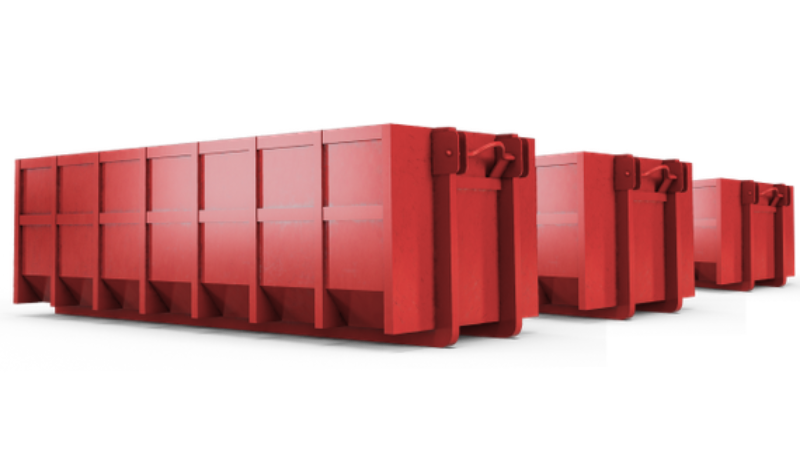
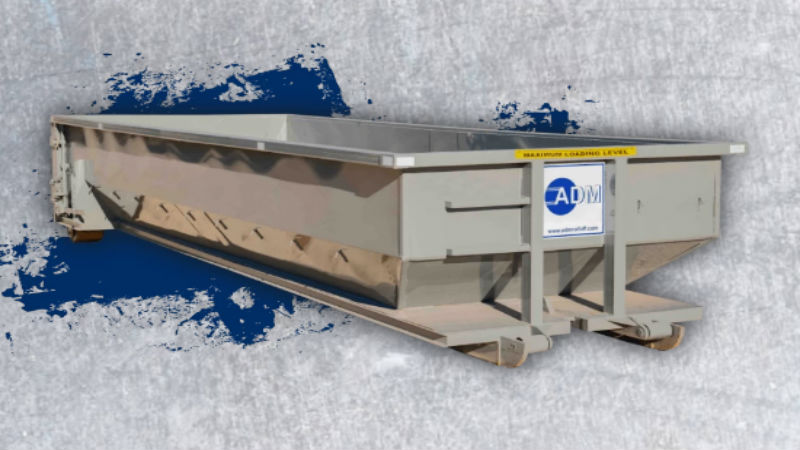
For projects involving a relatively moderate amount of construction debris, a 10 yard dumpster rental may be worth considering. The appropriate size ultimately depends on the volume and composition of the entire waste load rather than drywall alone.
Keep Drywall Contained During the Project
Drywall scraps can create a considerable amount of dust and small fragments when they are handled. Establishing a designated collection area can help keep loose pieces from spreading throughout the property.
Rather than allowing discarded drywall to accumulate across walkways or other active areas, project materials can be moved into the designated container as the work progresses, provided the materials are accepted and loading requirements are followed.
Keeping the surrounding work area orderly can also make it easier for workers to move materials and maintain access around the property.
Break Down Large Pieces When Appropriate
Large sheets of drywall can occupy considerable space inside a container. When appropriate for the project and material-handling requirements, reducing oversized pieces to more manageable sections can make loading more organized.
However, materials should not be handled in a way that creates unnecessary safety risks. Anyone working around drywall should use appropriate protective equipment and follow established job-site safety procedures.
The objective is not simply to fit as much material as possible into a container. Loads should remain within the dumpster’s capacity and any applicable weight or loading requirements.
Think About Other Construction Materials
Drywall rarely represents the only waste generated during an interior construction project. A renovation may also produce wood scraps, packaging, flooring materials, cabinets, fixtures, and other debris.
This mixture should be considered when planning a construction dumpster. The amount of drywall may seem like the primary concern, but the total material volume determines how quickly the container will fill.
Material restrictions should also be reviewed before combining different waste streams. Some materials may have separate handling requirements or may not be permitted in the same container.
Plan Dumpster Placement Carefully
Phoenix properties can have different access and space limitations. A residential driveway, commercial property, or active construction site may have specific requirements for where a dumpster can be positioned.
The selected location should provide sufficient space for the container and delivery equipment while maintaining reasonable access to driveways, entrances, sidewalks, and other areas that need to remain usable.
Before delivery, clearing vehicles and unnecessary obstacles from the intended placement area can help make the process more straightforward.
Avoid Overfilling the Container
Drywall should remain contained within the dumpster rather than extending above its designated fill line. Overloading can create safety concerns during handling and transportation and may violate the provider’s loading requirements.
Instead of continuing to add material once the container has reached its allowable capacity, project managers should contact the provider to discuss the appropriate next step.
This is especially important for construction projects where additional debris may continue to accumulate after the container reaches capacity.
Plan Ahead for a Cleaner Construction Site
Drywall disposal is easier to manage when it is incorporated into the project plan from the beginning. Estimating the material volume, confirming disposal requirements, selecting an appropriate dumpster size, and establishing a suitable placement area can all contribute to a more organized site.
For Phoenix construction and renovation projects, a Construction Dumpster Rental can provide a designated location for accepted project debris. Dumpsters INC. offers dumpster rental options that can be considered based on project size, material volume, and available space.
The most effective approach is to treat debris management as part of the overall project rather than an afterthought. With appropriate planning, drywall scraps and other permitted construction materials can remain contained while the work progresses.