Summary first:
• A professional Sub-Zero Repair Service in Bay Harbor Islands FL typically diagnoses refrigerator, freezer, ice maker, and wine cooler cooling issues through condenser, fan, and seal inspections.
• Common cooling failures trace back to dirty condensers, worn door gaskets, or fan motor problems that require technician-level diagnostics.
• Scheduling a qualified repair quickly helps protect food safety and extend the lifespan of a built-in unit.
A refrigerator or freezer that stops cooling properly is rarely a sign the unit needs replacing. Most Sub-Zero cooling failures stem from a handful of identifiable mechanical issues that a trained technician can diagnose and resolve during a single visit. Homeowners searching for a Sub-Zero Repair Service in Bay Harbor Islands FL are usually dealing with one of these recurring problems rather than a unit that has reached the end of its service life.
Bay Harbor Islands sits in a coastal, high-humidity climate, which places extra strain on built-in refrigeration systems. Salt air and humidity accelerate dust and residue buildup on condenser components, making routine inspection more important than it might be further inland.
Why Sub-Zero Units Stop Cooling
Sub-Zero refrigerators use a different design than standard appliances, which affects how failures present and how they should be diagnosed.
• Dirty or clogged condenser coils : Dust and debris collect on the condenser, forcing the compressor to work harder and reducing cooling efficiency.
• Worn door gaskets : A failing magnetic seal lets warm, humid air into the cabinet, causing the system to run continuously without reaching target temperature.
• Fan motor failure : A faulty evaporator or condenser fan can leave the freezer cold while the refrigerator side stays warm, since many Sub-Zero models run dual, independent cooling systems.
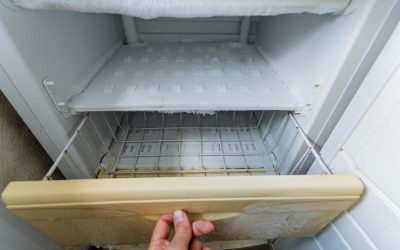
• Defrost system faults : When the automatic defrost cycle fails, frost builds on the evaporator coil and blocks airflow throughout the cabinet.
Because many Sub-Zero refrigerators rely on dual refrigeration, with separate sealed systems for the fresh food and freezer compartments, a problem on one side does not always affect the other. This is a key reason generic troubleshooting advice for standard refrigerators does not always apply to Sub-Zero equipment.
What a Professional Diagnostic Visit Typically Covers
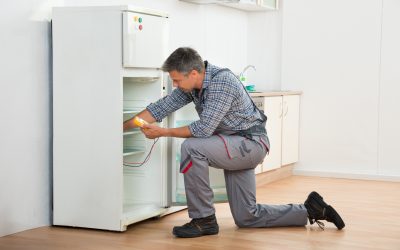
A structured inspection narrows down the cause before any parts are replaced. Technicians generally work through the following sequence:
1. Initial symptom review – checking which compartment is affected and whether the unit is running constantly.
2. Condenser inspection – removing the grille to check for dust, pet hair, or residue buildup around the coil and fan.
3. Door seal test – verifying the gasket maintains a tight seal around the entire door perimeter.
4. Fan and defrost system check – confirming both the evaporator and condenser fans operate correctly and the defrost cycle completes as expected.
5. Sealed system evaluation – only performed if earlier steps do not explain the cooling loss, since this component requires specialized tools and training.
Maintaining these components according to manufacturer guidance can reduce how often major repairs are needed. For general guidance on refrigerator maintenance and food safety temperature thresholds, the U.S. Food Safety and Inspection Service outlines why consistent cooling below 40°F matters for preventing spoilage and foodborne illness risk.
DIY Checks Versus Professional Repair
Not every cooling issue requires a service call, but knowing which problems are safe to address at home versus which need a licensed technician helps avoid further damage to the unit.
| Issue | Homeowner Can Attempt | Requires a Technician |
| Dusty condenser coils | Yes, with grille removed and vacuum | If buildup persists after cleaning |
| Door not sealing | Visual check possible | Gasket replacement and alignment |
| Fan motor noise or failure | Listening for unusual sound only | Diagnosis and part replacement |
| No cooling in either compartment | Not recommended | Full sealed-system evaluation |
This kind of structured comparison helps homeowners decide whether a quick cleaning will resolve the problem or whether a scheduled visit is the more practical next step.
Frequently Asked Questions
How often should condenser coils be cleaned on a Sub-Zero unit? Routine cleaning every few months helps prevent dust and debris from restricting airflow, particularly in coastal areas where humidity and salt air accelerate residue buildup.
Can one side of a Sub-Zero refrigerator stay cold while the other warms up? Yes. Many models use separate sealed systems for the fresh food and freezer compartments, so a fan or seal failure on one side does not necessarily affect the other.
Is a warm refrigerator always a sign of compressor failure? Not usually. Compressor issues are less common than condenser blockages, fan failures, or gasket wear, which is why a full diagnostic check matters before assuming the worst.
What should be done immediately if cooling stops? Check the door seal and temperature settings first, then arrange a professional inspection promptly to limit food spoilage and prevent additional strain on the system.
Next Steps for Reliable Appliance Care
Dependable refrigeration service starts with accurate diagnostics and attention to the details that make Sub-Zero systems different from standard appliances. Sub-Zero Repair Services specializes in high-end refrigeration and freezer systems, offering diagnostic and repair support for residential units in the Bay Harbor Islands area. Homeowners weighing a maintenance visit against a full diagnostic appointment can Learn More about scheduling options and current service availability before a minor cooling issue turns into a larger repair.